How to Increase Customer Engagement Between Purchases
Keep customers active after checkout with competitive loyalty infrastructure that powers skill-based competitions, mini games, and rewarding reasons to return.
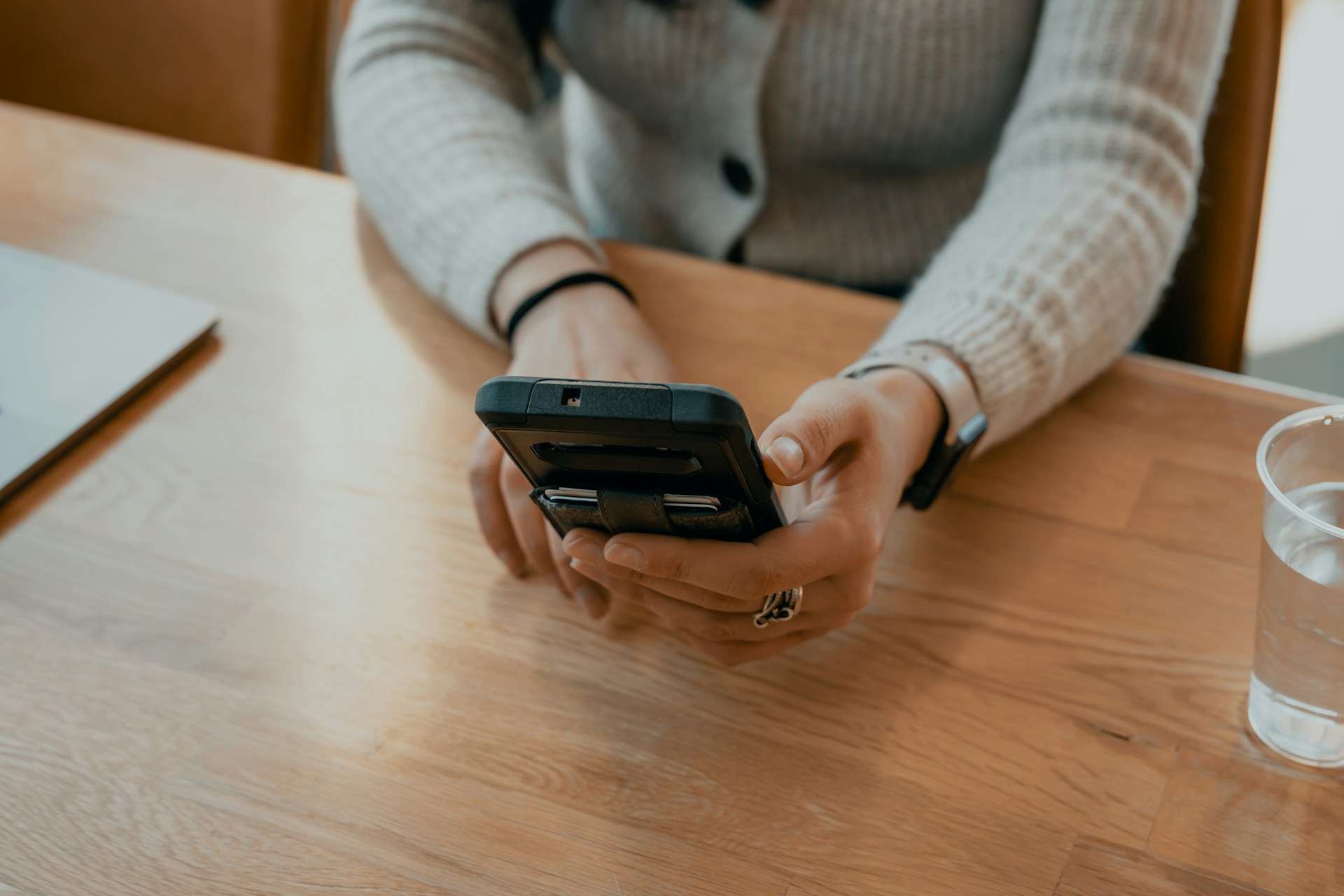


Customer relationships should not begin at checkout and end when the receipt arrives. When customers enjoy a visit, make a purchase, or download your app, then go quiet until their next need appears, customer retention depends too heavily on reminders, discounts, and luck.
We see a stronger path: give people a reason to come back before they are ready to spend again. Competitive loyalty turns passive audiences into active competitors, creating repeat participation through branded tournaments, peer-vs-peer competitions, and mini games.
Build Participation During the Quiet Gaps
The time between purchases can feel invisible. It is not. Those quiet days and weeks are where customer relationships either build momentum or fade out.
Without a reason to return, customers may forget the experience that brought them in. They may not open your app, check their progress, invite a friend, or plan another visit. That leaves your customer retention strategy tied to promotional messages and purchase timing instead of genuine interest.
Competitive loyalty infrastructure should help you create branded reasons to reappear in a customer’s routine. The goal is not to force another transaction. It is to create repeat participation that makes your brand part of the fun, competition, and social connection happening between transactions.
Common gaps include:
The days after a first visit or first purchase
The weeks between venue bookings or fitness sessions
The stretch after an app download with no clear reason to open it again
Slower periods when regular customers are not actively shopping or visiting
Purchase frequency matters, but it is not the whole customer retention picture. A customer who returns to compete, track a score, claim a reward, or challenge a friend has more reasons to stay connected than someone who only hears from you when it is time to buy.
Our competitive loyalty infrastructure is built for that gap. We help brands, venues, and apps give customers reasons to participate during quiet moments.
Give Customers a Reason to Compete and Return
Points can reward a transaction. Competition gives customers something to pursue. A better score. A leaderboard climb. A friend’s challenge. A tournament that closes soon. Those goals create a more active pattern of participation because they invite effort, progress, and camaraderie.
Competitive loyalty is not about adding badges to a standard rewards experience. It is about giving people a real reason to play for something within your brand ecosystem.
There are three useful formats to consider:
Branded tournaments create scheduled moments for customers to return, compete, and track results.
Peer-vs-peer competitions bring social stakes to the experience, whether customers go head-to-head or join a larger free-for-all.
Mini games create quick, skill-based participation moments that fit between visits, often in about 90 seconds.
Each format can serve a different customer behavior. A tournament may bring people back each week. A peer challenge can keep a conversation going after a visit. A mini game can make an app feel worth opening during a spare moment.
Behind the experience, our competitive loyalty infrastructure handles the hard operational work. Through our SDK, we support payments, key compliance infrastructure, fraud prevention, verification, wallets, and settlement. Partners can bring branded competitions into their product or venue without rebuilding their core experience around competition mechanics.
Build Repeat Participation Into the Customer Journey
Customers are more likely to participate when it fits the moment. A first-time customer needs a simple reason to return. A regular customer may be ready for a recurring challenge. A high-value customer might respond to a tournament that rewards consistency and skill.
We recommend mapping competitive experiences to the points where attention usually drops. Start with one high-value gap, then match the format to the behavior you want to encourage.
For example:
After a first purchase, a mini game can give customers a quick reason to return to your app.
Between venue visits, peer-vs-peer competitions can keep friends connected and create a reason to plan the next outing.
During slower periods, recurring tournaments can bring regulars back to compete and improve.
For active app audiences, branded competitions can activate monthly users when they are not shopping.
The model travels well across customer experiences. A golf simulator venue can run weekly score competitions. A fitness app can place skill-based challenges between training sessions. A brand app can give its existing audience something active to do when buying is not top of mind.
Holiday periods make this especially relevant. More social gatherings, travel, gift purchases, and seasonal venue traffic create a larger pool of customers who may participate once and then disappear. Branded competitions can keep the connection going before, during, and after those transactions instead of placing all the pressure on one promotional push.
Measure the Signals That Build Customer Lifetime Value
Competitive loyalty infrastructure should be measured by behavior, not just opens and clicks. An open can be a glance. A return visit, competition entry, reward claim, or repeat session shows a customer chose to spend more time with your brand.
The signals we recommend watching include:
Repeat participation and return rate
Repeat visits and dwell time
Competition entries, challenge preferences, and reward claims
Customer lifetime value
Social activity, including invitations and peer competition participation
These signals show more than activity. They help you understand what brings customers back. A person who joins recurring tournaments may value progress. Someone who invites friends may be motivated by social play. A customer who returns for mini games may need quick, low-commitment participation.
That first-party behavior can sharpen your customer retention strategy over time. Instead of treating every customer the same, you can identify the experiences that create meaningful repeat participation and the audiences most likely to return.
We call the commercial upside of that behavior The Lucra Effect. These are approved partner outcomes rather than universal results: +110% more visits and +40% longer stays. The point is not a vanity metric. It is building customer lifetime value through participation that compounds.
Put Competitive Loyalty to Work Before Customers Drift Away
The space between purchases is not dead time. It is where returning can become a habit. When customers have a tournament to enter, a friend to challenge, or a score to beat, your brand has a place in their routine before the next purchase need arrives.
Build Participation That Keeps Compounding
See how our competitive loyalty infrastructure helps brands create branded competitions that give customers more reasons to return between purchases. Lucra handles the infrastructure behind tournaments, peer-vs-peer competition, and mini games, including payments, verification, wallets, settlement, and key compliance infrastructure. Ready to put competitive loyalty to work in your app or venue? Contact us to start the conversation.

